Major Piano Chords
A major triad combines a root, major third and perfect fifth. The same interval structure can be transposed to any of the twelve roots.
Major structure, shown with C
C major is C–E–G: C is the root, E is the major third that defines the quality, and G is the perfect fifth. Every major triad keeps this 0–4–7 semitone structure from its own root.
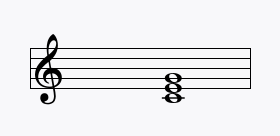
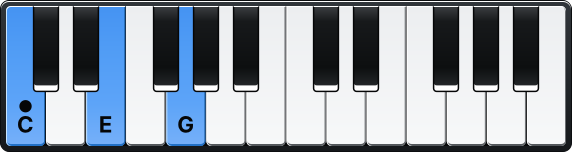
Example notesC · E · G
Formula1 · 3 · 5
IntervalsMajor third · Perfect fifth
Semitones from the root0 · 4 · 7
What major quality means
StructureThe major third above the root defines the quality; the perfect fifth completes the triad.
One-note comparisonLower only the third by one semitone and major becomes minor while the root and fifth remain.
Common usesA major triad can function as tonic, predominant or dominant depending on the key.
Major names an interval quality. It does not by itself mean “the home chord” or establish a major key.
Major in harmonic context
The same C major triad takes a different role when the surrounding key changes.
Hear the defining tones change
Csus4 → C
- Common tones
- C · G
- Moving voice
- F → E
F moves down a semitone to E, while C and G remain as common tones.
Csus4
arrow_rightC
Major chord symbols
A bare letter such as C normally means a major triad. Cmaj can clarify the quality, while Cmaj7 is a different four-note chord that adds the major seventh B.